From chicks to chickens: Successful broiler project a first for Western Cape schools
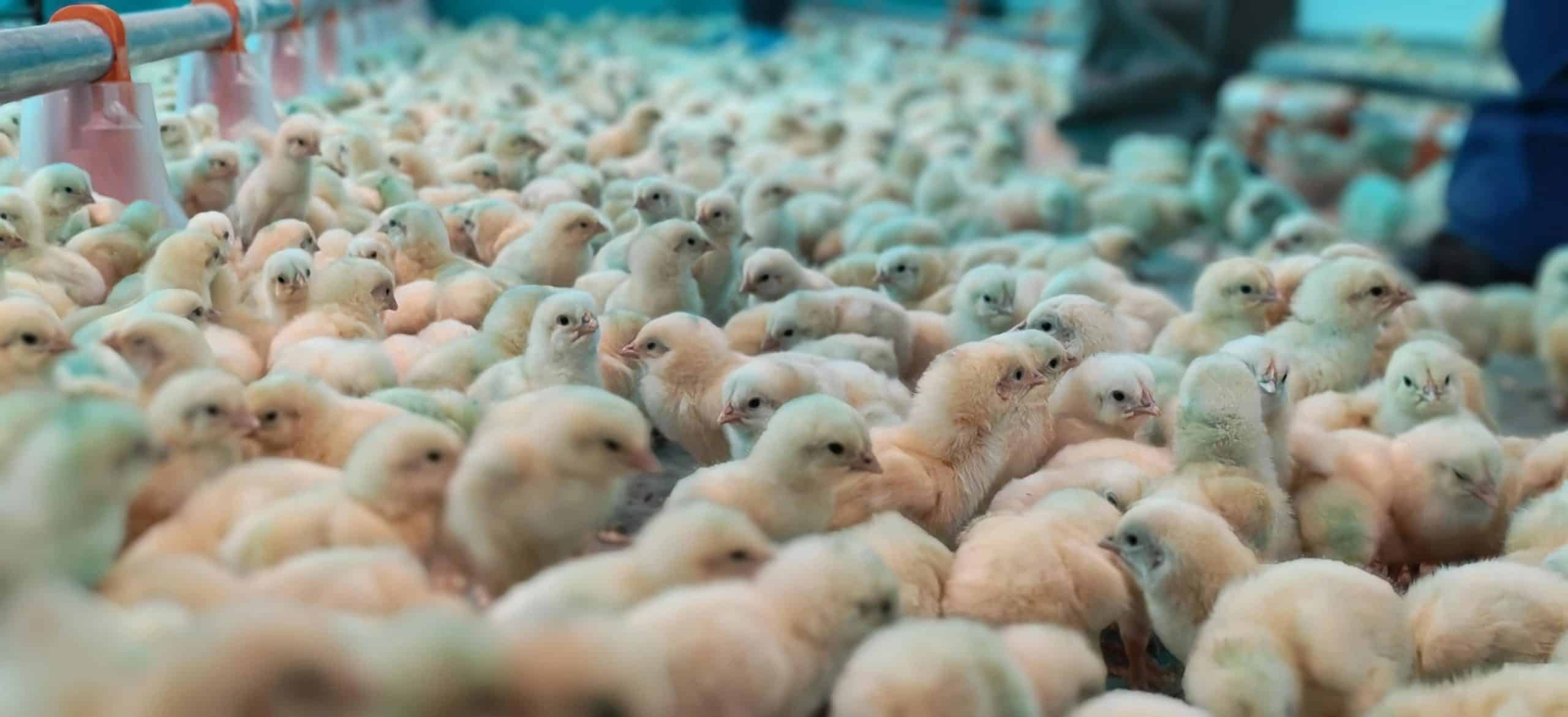
Skurweberg Secondary School recently carved out a place for itself in the history books with the successful completion of its first broiler project and the first project of its kind in the Western Cape.
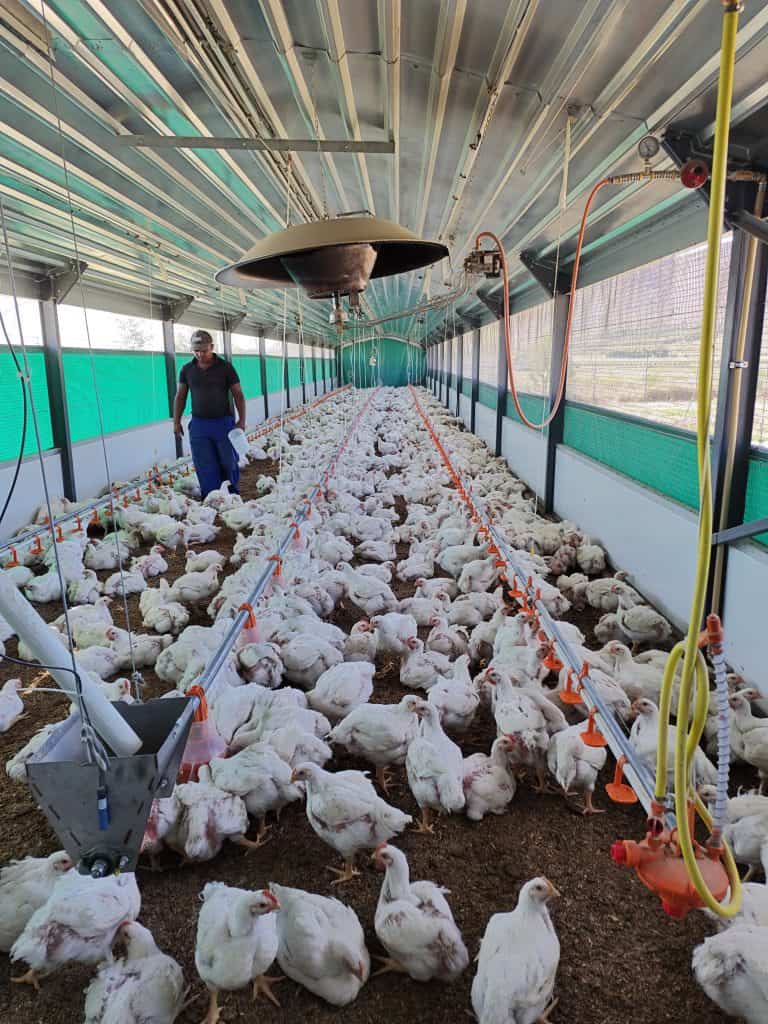
Of the 2 000 broilers that Cape Forum donated to this school in Ceres two months ago, approximately 1 950 adult chickens were eventually slaughtered, thereby achieving a remarkable success rate of 97,5% and – despite the challenges of selling the chickens one by one – a net profit of more than R50 000.
Cape Forum and agricultural leaders join forces
Cape Forum and National Chicks donated the broilers for the project, while Meadow Feeds provided the feed for one cycle. This project follows the Western Cape Education Department (WCED) approaching Cape Forum to assist with such a donation. Astral Foods, the largest poultry producer in Southern Africa and National Chicks’ parent company, made this donation possible under the leadership of its CEO, Gary Arnold.
National Chicks is the supplier of premium Ross 308 day-old chicks and hatching eggs to farms locally and elsewhere in Africa. Meadow Feeds, a manufacturer of various specialised formulas and feed mixtures, is in turn considered the market leader in the Southern African feed industry.
The plan
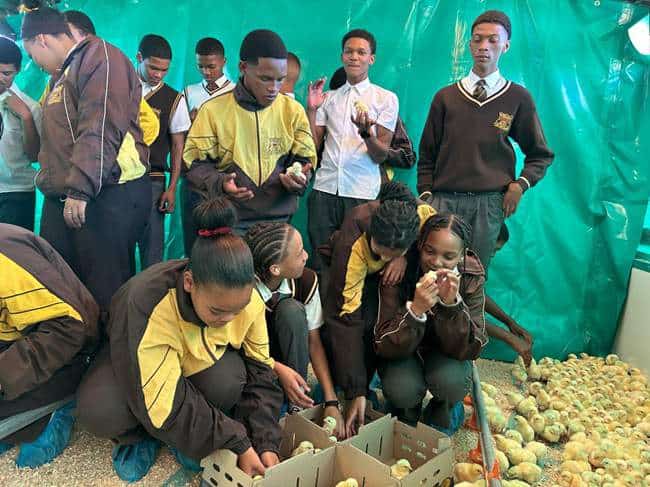
The broiler chicken project offers Skurweberg Secondary School the opportunity to generate a sustainable income, while learners receive practical agricultural training. The business model briefly entails that the school had to grow the chicks of the first cycle and then use the proceeds to fund further cycles.
After the successful completion of the first cycle, all role players involved are now looking forward to the further phase in establishing this sustainable initiative to become self-sustaining and ultimately profitable for the benefit of the school, its community and the taxpayer.
The challenges and solutions
Dr Ivan Meyer, the Western Cape Minister of Agriculture, Economic Development and Tourism, described this project as brilliant.
However, this new project faced its own challenges.
Initially, the plan relied on private agents to purchase all the chickens at the end of the growth cycle, but it fell through. As a result, the school was forced to keep the chickens alive for an additional two weeks until each one could be sold individually. The delay in sales forced the project’s operational costs to increase due to the continued demand for feed.
However, these challenges have been a good learning experience, and plans for improved marketing are already being envisaged to ensure sales before slaughter and thus avoid unnecessary additional costs.
Here’s what the role players had to say
- Gary Arnold, CEO of Astral Foods: “Astral Foods recognises its social and corporate responsibility within the agricultural sector in which it operates. It has been a privilege for us to work with the local government, the WCED and the civil rights organisation Cape Forum. Thanks to the involvement of Astral, National Chicks and Meadow Feeds, a school was supported in establishing a broiler project. This initiative aims to develop additional agricultural skills at the school, stimulate entrepreneurial thinking and enable schools to achieve greater financial independence over time. This in turn can contribute to relieving pressure on the state treasury and therefore also on taxpayers.”
- Dr Mariëtte Wheeler, WCED Curriculum Planner for agricultural and marine sciences: “Learners are educated with skills through agricultural projects like these by doing it themselves – this is something that is not available in textbooks. It also builds their self-confidence and the feeling that they can also care for animals. The smile on the learners’ faces clearly radiated this sense of self-confidence. They also realise the value of working as a team with their classmates, teachers and the school’s agricultural workers. These new skills also prepare the learners for their future workplace as part of a larger community that focuses on sustainability. This collaboration was also evident among the team from Cape Forum, Astral Foods, National Chicks, Meadow Feeds, Skurweberg Secondary School staff and the WCED, who kept in touch with the school throughout. We learned through the process and look forward to future projects.
- Ivan Fredericks, Deputy Principal and Head of Agriculture Department at Skurweberg Secondary School: “We are pleased with the outcome of this project. This was our first attempt, and we concluded the project with a significant profit. We look forward to continuing this project and thank all our staff, workers and learners who made this project a success. We note that many similar agricultural initiatives are being launched and are proud to be able to show that Skurweberg Secondary School was also able to make this chicken project a success. This dream has become a reality, thanks to the incredible support of Cape Forum, National Chicks and Meadow Feeds. Your contribution is an investment in the future of South Africa’s agriculture. This project strengthens the bridge between theory and practice that will help feed our learners’ future. Thank you for helping to empower our learners and make their dreams come true.”
- Bernard Pieters, Head of Community Activation at Cape Forum: “This project directly ties in with Cape Forum’s holistic education plan, which aims to create environments where schools can function more independently and sustainably. At the same time, it offers learners valuable practical exposure to the agricultural industry, as well as the principles of entrepreneurship, financial management and project planning.
“We thank the WCED and especially Brent Walters, Head of Education at the WCED, for their trust in Cape Forum and the opportunity we have been given to work with schools. We are also grateful for Dr Theuns Eloff and Gary Arnold’s willingness to facilitate and approve the donation from Astral Foods. These types of partnerships show what is possible when the private sector, government departments and civil rights organisations work together to create sustainable solutions for our schools. We look forward to working with our network school, Skurweberg Secondary School, and the WCED to make this project an even greater success and we believe that this project serves as an example of how communities can be strengthened through collaboration.”